
Find product information, technical documentation, certifications, application guidance, and industry insights to help you select, specify, and use WICSilicone products and manufacturing solutions.
Technical Resources & Product Information
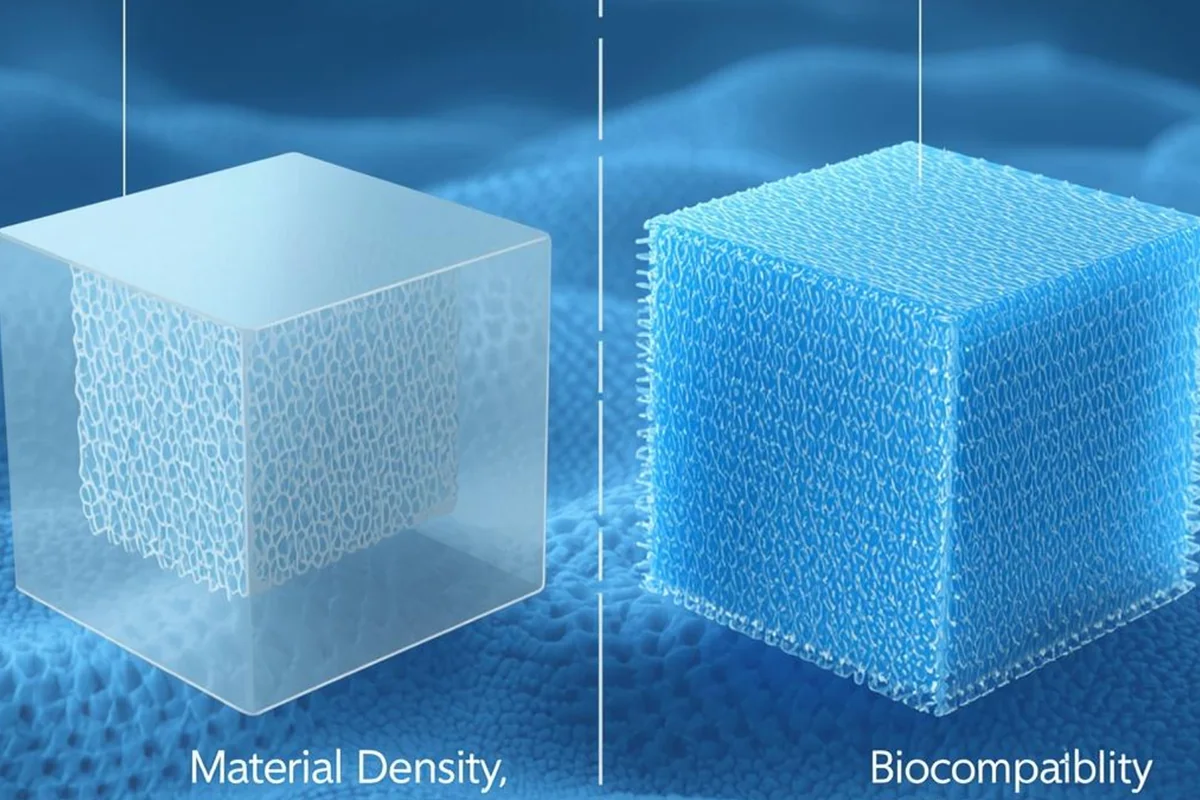
What Is the Difference Between Standard Silicone and Medical-Grade Silicone?
Explore the differences between commercial and medical-grade silicone, including biocompatibility, safety requirements, and applications in the medical industry.
Read Article →
The Science Behind Silicone Elasticity & Durability
Understand the material properties behind silicone's flexibility, resilience, and long-term stability across medical, automotive, electronic, and consumer applications.
Read Article →
What Is Silicone Rubber? Composition, Structure & Key Properties
Discover the silicon–oxygen polymer structure of silicone rubber and the material properties responsible for its thermal stability, weather resistance, flexibility, and electrical insulation.
Read Article →TECHNICAL INSIGHTS
Explore Our Latest Articles & Insights
Discover technical knowledge, material insights, manufacturing developments, and application guidance from the world of silicone. Explore articles covering silicone compounds, processing technologies, and their use across different industries.
Product Catalogues
Browse our product catalogues, silicone compound ranges, and application portfolios.
Explore Resources →Technical Data Sheets
Access technical specifications, material properties, and available product documentation.
Explore Resources →Technical Guidelines
Explore material selection guidance, processing recommendations, and application practices.
Explore Resources →Certifications & Compliance
Review available quality certifications, regulatory documents, and supporting records.
Explore Resources →Product Compliance
Explore applicable standards, technical requirements, and compliance considerations by product category.
Explore Resources →FAQs & Technical Support
Find answers to common product, technical, ordering, and application questions.
Explore Resources →TECHNICAL RESOURCES
Explore Our Technical Resources
Access product catalogues, technical data sheets, application guidelines, and supporting documentation to help you understand our silicone materials, evaluate their properties, and identify suitable solutions for your requirements.
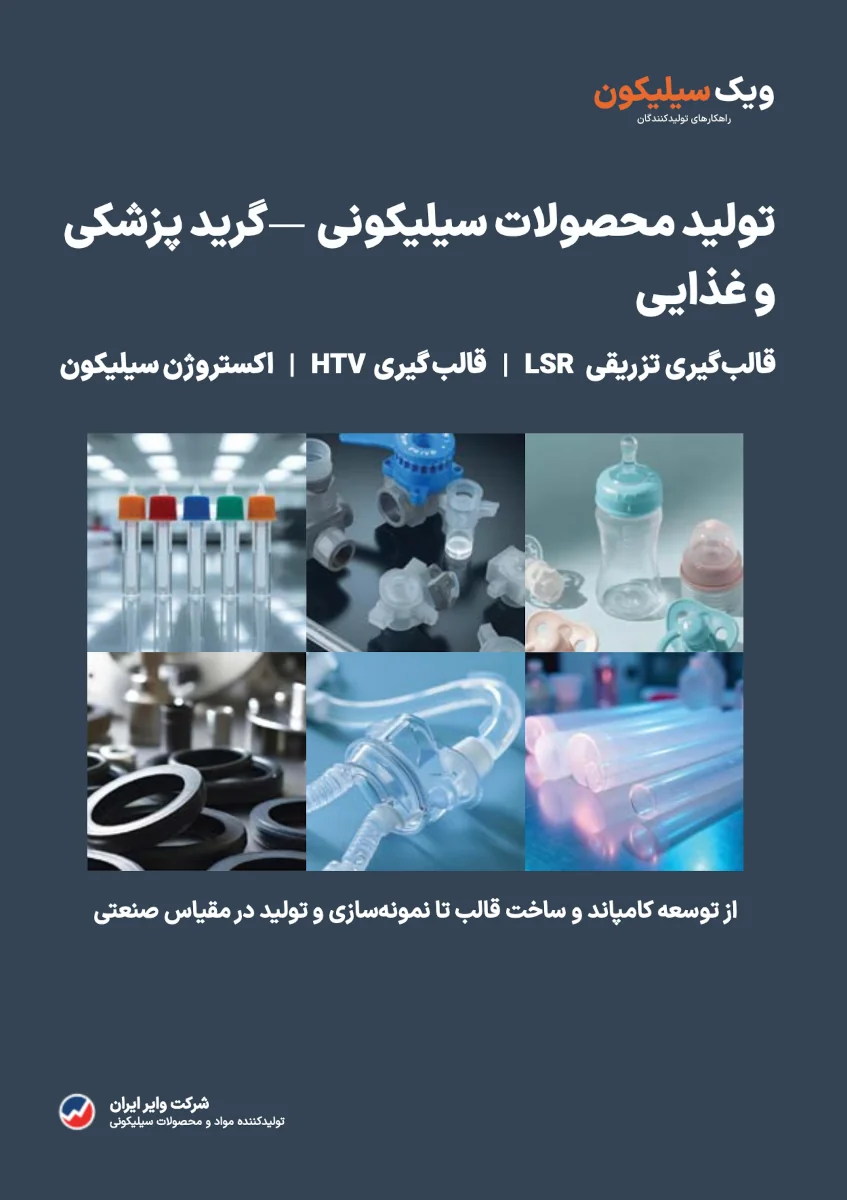
LSR Injection Molding Catalogue
An overview of our LSR Injection Molding Capabilities, material properties, specialized formulations, and solutions for medical and industrial applications.
View Catalogue →PRODUCT DOCUMENTATION
Product Catalogues
Explore our product catalogues for an overview of WICSilicone’s silicone compounds, material solutions, and manufacturing capabilities. Find relevant product information and application ranges to support your material selection.
General-Purpose HTV Silicone
Technical specifications and physical properties of general-purpose high-temperature vulcanizing (HTV) silicone compounds.
Download Data Sheet →High-Tear-Strength Silicone
Material specifications and mechanical properties of silicone compounds engineered for applications requiring high tear resistance.
Download Data Sheet →Custom Silicone Compounds
Application-specific material documentation covering customized silicone formulations and tailored performance requirements.
Request Data Sheet →MATERIAL SPECIFICATION
Technical Data Sheet
Explore our product catalogues for an overview of WICSilicone’s silicone compounds, material solutions, and manufacturing capabilities. Find relevant product information and application ranges to support your material selection.
Silicone Material Selection
Explore silicone material properties, hardness ranges, curing systems, and performance characteristics to identify suitable compounds for specific applications and operating conditions.
View Guidelines →Processing & Manufacturing
Understand key processing considerations for silicone extrusion, compression molding, and liquid silicone rubber (LSR) injection molding, including material behavior and manufacturing requirements.
View Guidelines →Application Requirements
Review material selection considerations for thermal stability, mechanical performance, electrical insulation, chemical resistance, and environmental exposure across different industries.
View Guidelines →TECHNICAL KNOWLEDGE
Technical Guidelines & Application Support
Explore practical guidance on silicone material selection, processing methods, product handling, and application considerations. Our technical resources help you better understand silicone materials and identify suitable approaches for your manufacturing requirements.
QUALITY & DOCUMENTATION
Certifications & Compliance
Access relevant quality certifications, material declarations,
and supporting technical documentation for WICSilicone products
and manufacturing capabilities.
Standards & Quality Documentation
ISO 9001
ISO/TS 16949
ISO 3808 & ISIRI 4267-2
ISO/IEC 17025
ISO 10993-4
ISO 10993-5
ISO 10993-10
European Pharmacopoeia
Standards & Supporting Documents
Browse WICSilicone quality certifications, automotive standards, laboratory accreditation and medical biocompatibility testing documentation.
The PDF file for this document has not yet been added. Please check back later.
Medical & Healthcare Applications
Medical silicone applications require careful material selection and evaluation of biocompatibility, intended contact conditions, and relevant medical requirements. Supporting documentation depends on the specific formulation and finished product.
Discuss Medical RequirementsFood Contact Applications
Silicone materials intended for food-contact applications must be evaluated against the relevant regulatory requirements, considering the formulation, contact conditions, and intended use of the finished product.
Discuss Food Contact RequirementsIndustrial & Electrical Applications
Industrial and electrical applications may require specific thermal, electrical, mechanical, and chemical performance characteristics. Material suitability should be assessed against the operating environment and applicable industry standards.
Discuss Application RequirementsPRODUCT & APPLICATION REQUIREMENTS
Product Compliance & Application Requirements
Silicone materials must meet the specific requirements of their intended applications. Explore key compliance considerations across medical, food-contact, industrial, and electrical applications, and learn how material selection and supporting documentation help address relevant standards and regulatory requirements.
Silicone Materials
What types of silicone materials are available?
Silicone materials are available in different formulations designed for specific processing methods and performance requirements. Common categories include High-Temperature Vulcanizing (HTV) silicone and Liquid Silicone Rubber (LSR).
These materials can be formulated with different hardness levels, mechanical properties, colors, and performance characteristics to suit applications across automotive, industrial, electrical, medical, and consumer product sectors.
What is the difference between HTV and LSR silicone?
HTV and LSR are two different forms of silicone elastomer developed for different processing methods.
HTV silicone is a high-consistency material generally supplied in a solid, putty-like form. It is commonly processed through compression molding, transfer molding, and extrusion.
LSR is a two-component liquid material that is mixed and processed through specialized injection molding equipment. It is particularly suitable for automated production of precise, complex, and repeatable molded components.
The appropriate material depends on the component design, production volume, manufacturing process, and required performance.
Can silicone compounds be customized?
Yes. Silicone compounds can be formulated or selected to meet specific application requirements. Depending on the material system, customization may involve hardness, color, mechanical strength, tear resistance, compression set, electrical properties, and thermal performance.
To evaluate a custom requirement, provide the intended application, target properties, operating conditions, and any available technical specifications.
Technical Properties
What hardness ranges are available for silicone?
Silicone elastomers are available in a broad range of hardness levels, commonly measured using the Shore A scale. Softer formulations may be measured using Shore OO, depending on the material.
The required hardness depends on the component's function. Softer materials may be suitable for sealing and cushioning, while harder formulations may be selected for components requiring greater rigidity and dimensional stability.
The available range depends on the specific formulation and manufacturing requirements.
What temperature ranges can silicone withstand?
Silicone elastomers are known for their broad operating temperature capabilities. Many conventional silicone formulations can operate across approximately -50°C to +200°C, while specialized formulations may be designed for different temperature requirements.
Actual performance depends on the formulation, exposure duration, mechanical loading, environmental conditions, and the properties that must be retained during operation.
Temperature suitability should therefore be confirmed against the technical data of the specific material.
How do I select the right silicone compound?
Material selection begins with understanding the component's operating environment and functional requirements.
Important considerations include:
- Operating and temperature exposure
- Required hardness and elasticity
- Tensile strength and tear resistance
- Compression set and sealing performance
- Exposure to chemicals, oils, or moisture
- Electrical insulation requirements
- Regulatory and application-specific requirements
- Manufacturing process and component geometry
Sharing these details with the technical team helps identify suitable material options for evaluation.
Manufacturing & Applications
Which manufacturing processes are used for silicone products?
Silicone components can be manufactured through several processes, depending on the material type, product geometry, required tolerances, and production volume.
Common manufacturing methods include:
- Compression molding: Suitable for producing a wide variety of solid silicone components.
- Transfer molding: Used for molding components with specific geometric and production requirements.
- Extrusion: Used to manufacture continuous profiles, tubing, cords, and seals.
- LSR injection molding: Suitable for precise, repeatable production of liquid silicone components.
Can WICSilicone support custom silicone product development?
Custom silicone product requirements can be evaluated based on the component design, material specifications, manufacturing process, and intended application.
To begin an evaluation, provide available technical drawings, dimensions, material requirements, expected quantities, and relevant operating conditions. These details help determine suitable manufacturing and material options.
Does medical-grade silicone automatically meet all medical requirements?
No. The term medical-grade describes materials developed for specific healthcare applications, but it does not represent universal approval for every medical device or application.
Biocompatibility and regulatory suitability depend on the material formulation, the nature and duration of contact, the manufacturing process, and the intended use of the finished device.
Relevant testing, documentation, and evaluation should be established according to the applicable requirements for the specific medical application.
Orders & Technical Support
Can I request samples before placing an order?
Sample requests can be discussed with the WICSilicone team based on the material type, application, and evaluation requirements.
When requesting a sample, specify the intended application, required material properties, and approximate quantity so the appropriate options can be evaluated.
How can I request a technical data sheet?
Technical data sheets provide information about material properties, typical test results, and recommended processing or performance characteristics.
Contact our team with the material name or product category you are interested in. We can help identify the relevant technical documentation, subject to availability.
What information should I provide when requesting a quotation?
Providing clear technical and commercial information helps us evaluate your requirements more accurately.
Where available, include:
- Product description and intended application
- Technical drawings, dimensions, or CAD files
- Required material type and hardness
- Performance and regulatory requirements
- Estimated order quantity and annual demand
- Preferred color and packaging requirements
- Target delivery location
If some specifications are not yet defined, our team can discuss the available information and help clarify the technical requirements.
Need More Technical Information?
Every application has its own requirements. Contact our team to discuss material selection, technical specifications, or custom silicone product requirements.
Contact Our Technical TeamCUSTOMER SUPPORT
Frequently Asked Questions
Find answers to common questions about WICSilicone materials, product selection, manufacturing processes, technical specifications, and ordering. For application-specific questions or additional technical information, our team is available to help.